Source Water Jet Pump for cleaning, testing, and blasting
Find 30 Water Jet Pump options from Chinese manufacturers for industrial cleaning, hydro testing, and rust removal. Compare piston and centrifugal models with pressures up to 2000 bar and various drive types to match your specific application needs.
Key considerations
Products List
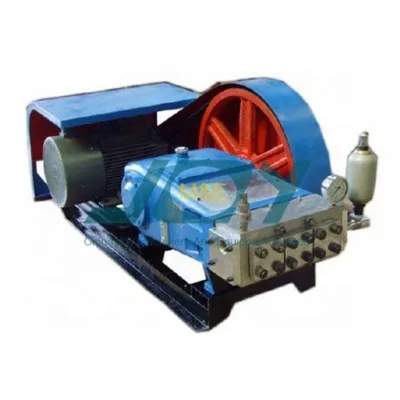
$2000.00 - $20000.00
MOQ: 1


$10000.00 - $40000.00
MOQ: 1 Sets


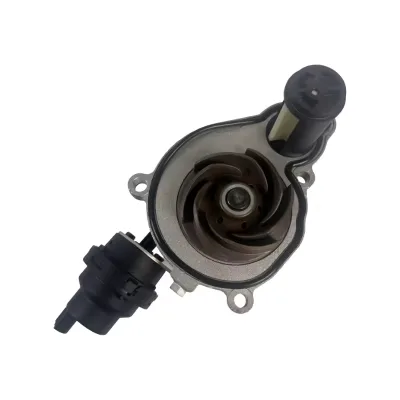


Comprehensive Sourcing Guide
Water Jet Pump Sourcing Guide
Sourcing high-pressure water jet pumps requires a disciplined approach to technical verification and supplier qualification, particularly when dealing with industrial-grade equipment. The market for these pumps is diverse, ranging from compact units for family homes to heavy-duty systems for shipyard cleaning and hydro testing. Buyers must navigate a landscape where specifications vary significantly based on the intended application, such as pressure washing, rust removal, or sand blasting. Understanding the fundamental differences between pump theories, such as reciprocating versus centrifugal designs, is the first step in defining procurement requirements. This guide provides a structured framework for evaluating water jet pumps based on observed market signals and trusted industry knowledge, ensuring that procurement decisions are grounded in technical reality rather than marketing claims.
The procurement process for water jet pumps involves more than just selecting a model; it requires a comprehensive assessment of supply chain reliability, material integrity, and operational safety. Suppliers often offer customization options, including OEM support, which can be critical for integrating pumps into existing industrial infrastructure. However, this flexibility introduces complexity in verifying that customized components meet original design specifications. Buyers must establish clear communication channels with suppliers to confirm that all technical parameters, from pressure ratings to voltage requirements, align with their operational needs. This guide outlines the essential steps for validating these parameters, ensuring that the final procurement delivers the expected performance and longevity.
Product Scope and Observed Listing Signals
The observed product listings reveal a wide spectrum of Water Jet Pump applications, indicating that buyers must carefully match pump capabilities to their specific operational environments. Common applications include drinking water treatment, HVAC OEM integration, industrial boilers, and commercial buildings, as well as more specialized uses like biofuel industry processes and developing world water solutions. The listings also highlight applications in automotive industries and food and beverage sectors, suggesting that material compatibility and hygiene standards are critical considerations. Buyers should note that some pumps are designated for high-pressure washing tasks such as shipyard cleaning and rust removal, while others are suited for hydro testing, which demands extreme pressure stability. Understanding these distinct use cases is essential for selecting a pump that can withstand the specific mechanical and chemical stresses of the intended environment.
Listing signals also indicate significant variation in pump construction and power sources, which directly impacts procurement strategy. The observed data shows pumps constructed from various materials, including stainless steel grades like 304SS and 316L, duplex steel, and cast steel, each offering different levels of corrosion resistance and durability. Power sources range from electric motors, with voltages such as 380V, 415V, and 460V, to gasoline and diesel engines, and even pneumatic options. Transmission methods include gear reducers, speed reducers, and belts, which affect the pump’s efficiency and maintenance requirements. Buyers must verify that the selected pump’s material and power source are compatible with their facility’s infrastructure and environmental conditions, ensuring that the equipment can operate reliably without excessive energy consumption or premature wear.
Technical Specifications to Verify
Pressure rating is a critical technical specification that must be rigorously verified, as the observed listings indicate a broad range from 20 bar to 2000 bar. This wide variance means that a pump suitable for light-duty cleaning may fail catastrophically if used in high-pressure hydro testing applications. Buyers should confirm the maximum working pressure and burst pressure ratings with the supplier, ensuring that the pump’s design pressure exceeds the operational requirements with an appropriate safety margin. Additionally, the pump’s structure, whether it is a piston pump, gear pump, or jet pump, determines its flow characteristics and pressure stability. Reciprocating pumps, for example, are often preferred for high-pressure applications due to their ability to generate consistent pressure, while centrifugal pumps may be more suitable for high-flow, lower-pressure tasks. Verifying the pump theory and structure ensures that the selected unit matches the hydraulic demands of the application.
Voltage and speed specifications are equally important for ensuring compatibility with existing electrical systems and operational efficiency. The observed listings show voltages ranging from 380V to 460V, with speeds typically at 2960 or 1480 r/min. Buyers must verify that the pump’s electrical requirements match their facility’s power supply to avoid the need for expensive transformers or converters. Furthermore, the driven type, whether motor, gasoline engine, or diesel engine, affects the pump’s mobility and operational flexibility. For stationary applications, electric motors are often more cost-effective and easier to maintain, while portable units may require internal combustion engines. Buyers should also check the horsepower rating and power source type to ensure that the pump can deliver the required performance without overloading the power system or compromising safety.
Compliance and Safety Documentation
Certification and standard compliance are essential for ensuring that water jet pumps meet international safety and quality benchmarks. The observed listings mention certifications such as ISOCE, which may indicate adherence to specific quality management or environmental standards. Buyers should request detailed certification documents to verify that the pump has undergone rigorous testing for pressure integrity, electrical safety, and material durability. Additionally, the listings reference standards such as 3NB and 5NB, which may relate to specific pump design or performance criteria. Buyers must confirm that these standards are recognized in their region and that the pump’s design complies with local regulations for high-pressure equipment. Failure to verify compliance can result in legal liabilities, operational disruptions, and increased insurance premiums.
Safety documentation should also include detailed operational manuals, maintenance guidelines, and emergency shutdown procedures. High-pressure water jet pumps pose significant risks, including high-pressure injection injuries and equipment failure due to pressure surges. Buyers should ensure that the supplier provides comprehensive safety instructions, including recommended pressure relief valve settings and regular inspection schedules. The listings indicate that video outgoing inspections are provided, which can be a valuable tool for verifying the pump’s condition before shipment. Buyers should request these videos to visually inspect the pump’s construction, welds, and fittings, ensuring that there are no visible defects that could compromise safety during operation.
Cost Drivers and Commercial Terms
The cost of water jet pumps is influenced by several factors, including material quality, pressure rating, and customization options. The observed listings show a price range from $1 to $40,000, reflecting the diversity of products available. Higher-priced units typically feature premium materials like 316L stainless steel or duplex steel, which offer superior corrosion resistance and durability in harsh environments. Customization options, such as OEM support and specific voltage configurations, can also increase costs. Buyers should request detailed cost breakdowns to understand how material choices and customization affect the final price, ensuring that they are not paying for unnecessary features while still meeting their technical requirements.
Commercial terms, including MOQ, packaging, and lead times, also impact the total cost of ownership. The observed listings indicate an MOQ range from 1 to 1000 sets, with packaging options including wooden cases, cartons, and custom cases. Buyers should negotiate terms that align with their inventory management strategy, considering factors like storage capacity and cash flow. The supply ability of 200 sets per month suggests that suppliers have moderate production capacity, which may affect lead times for larger orders. Buyers should confirm lead times and delivery schedules to ensure that the pump will be available when needed, avoiding production delays. Additionally, warranty terms, such as the observed 1-year warranty, should be clearly defined to protect against defects and ensure long-term reliability.
Supplier Qualification and Quality Control
Supplier qualification is a critical step in ensuring that the Water Jet Pump meets quality and performance expectations. Buyers should verify the supplier’s manufacturing capabilities, including their production facilities, quality control processes, and testing equipment. The observed listings indicate that the place of origin is primarily Tianjin, China, with other locations like Ningbo and Jiangsu also mentioned. Buyers should conduct site audits or request third-party inspection reports to verify that the supplier adheres to international quality standards. Additionally, the supplier’s ability to provide customized support and OEM services should be evaluated to ensure that they can meet specific technical requirements.
Quality control measures should include rigorous testing of the pump’s pressure integrity, electrical safety, and material composition. Buyers should request test reports and certification documents to verify that the pump has passed all necessary inspections. The observed listings mention video outgoing inspections, which can provide visual evidence of the pump’s condition before shipment. Buyers should also establish clear communication channels with the supplier to address any quality issues promptly. Regular follow-ups and inspections during the production process can help identify and resolve potential problems early, ensuring that the final product meets the buyer’s specifications.
Long-Term Procurement Checks
Long-term procurement success depends on establishing a robust relationship with the supplier and implementing continuous improvement strategies. Buyers should monitor the pump’s performance over time, tracking metrics such as uptime, maintenance frequency, and energy consumption. Regular maintenance and inspections are essential for extending the pump’s lifespan and preventing unexpected failures. Buyers should work with the supplier to develop a comprehensive maintenance plan that includes routine checks, part replacements, and performance evaluations. Additionally, buyers should stay informed about industry trends and technological advancements, ensuring that their procurement strategy remains aligned with best practices.
Feedback loops with the supplier are crucial for identifying areas for improvement and fostering innovation. Buyers should provide regular feedback on the pump’s performance, sharing insights on operational challenges and potential enhancements. This collaboration can lead to product improvements, cost reductions, and increased efficiency. Buyers should also evaluate the supplier’s responsiveness and support services, ensuring that they can provide timely assistance when issues arise. By maintaining a proactive and collaborative approach, buyers can maximize the value of their Water Jet Pump procurement and achieve long-term operational success.
FAQs
What pressure range does the JOYMANDE Water Jet Pump offer?
The pump offers a pressure range from 20 bar to 2000 bar. This wide spectrum supports diverse applications including shipyard cleaning, rust removal, and hydro testing for industrial utilities.
Which materials are used for the pump construction?
Construction materials include stainless steel, 304SS, 316L, and Duplex steel. These options ensure durability and corrosion resistance for demanding environments like drinking water treatment and food industries.
Can the pump be customized for specific industrial needs?
Yes, OEM customization is available for this product line. Buyers can request tailored specifications to fit unique requirements in automotive, biofuel, or commercial building sectors effectively.
What is the warranty period for this equipment?
The standard warranty period provided is one year. This coverage applies to the piston pump structure and ensures reliability for high-pressure washing and hydro testing operations.
How is the product packaged for international shipping?
Products are packed in wooden cases or cartons for safe transport. This packaging detail protects the equipment during dispatch from ports like Tianjin, Shanghai, or Ningbo to global destinations.
What power sources drive the Water Jet Pump?
The pump can be driven by electric motors, gasoline engines, or diesel engines. Electric models typically operate at voltages like 380V, 415V, or 440V for industrial compatibility.
What is the monthly supply capacity for these pumps?
The supplier maintains a supply ability of 200 sets per month. This capacity supports steady procurement for large-scale projects in developing world water solutions or district energy systems.